
Discover the temple origins, traditional instruments and devotional melodies of Kerala’s distinctive musical heritage.
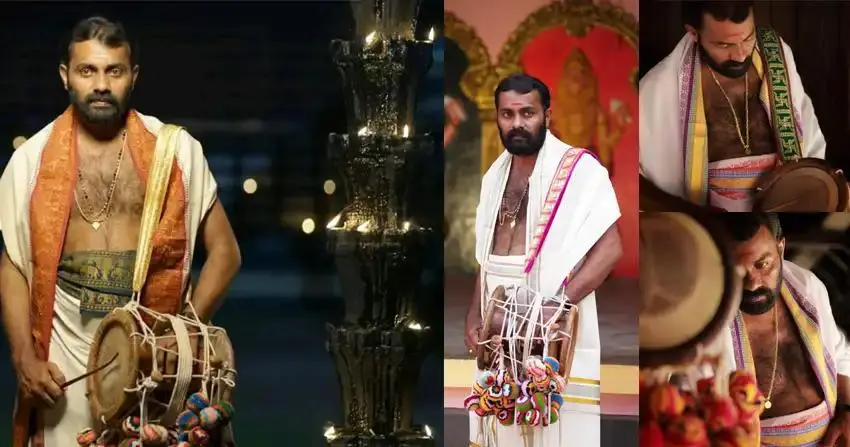
The gentle rhythm of the Idakka, the sound of devotional verses and the atmosphere of a traditional Kerala temple are closely associated with Sopana Sangeetham. This distinctive form of devotional music developed around Kerala’s temple traditions, using expressive singing and traditional instruments to bring sacred compositions to life.
The name comes from Sopanam, referring to the steps leading towards a temple’s inner shrine. For generations, musicians have performed this music as part of Kerala’s devotional and cultural traditions.
The Origins of Sopana Sangeetham
Sopana Sangeetham takes its name from the temple steps where musicians traditionally sang devotional compositions during worship. Unlike classical concert performances, it developed within the ritual environment of Kerala’s temples, where music formed part of religious observances.
Its exact historical beginnings are difficult to establish. However, the tradition is closely associated with the Ashtapadis of Jayadeva’s 12th-century Sanskrit work, Gita Govinda. These compositions describe the divine love of Radha and Krishna and have an important place in devotional music.
Sopana Sangeetham is recognised for its distinctive melodic patterns, measured delivery and devotional expression. The singing is generally unhurried, allowing the meaning and emotion of each verse to come through.
The Artists Who Preserve Its Legacy
The tradition has been carried forward by generations of musicians who have helped preserve its distinctive style and introduce it to wider audiences.
Njeralathu Rama Poduval is one of the best-known exponents of Sopana Sangeetham. His contribution helped bring greater recognition to this traditional form of temple music.
Njeralathu Harigovindan, his son, continues the family’s musical legacy and works to introduce the tradition to newer generations.
Other musicians, including Janardhanan Nedungadi and Ambalappuzha Vijayakumar, are also associated with Kerala’s traditional devotional music.
Their work reflects the importance of dedicated performers in keeping an oral musical tradition alive.
The Traditional Instruments Behind Its Sound
Sopana Sangeetham is closely associated with traditional instruments that provide rhythm and complement the singer’s voice. Among them are:
Idakka (Edakka)
The Idakka is an hourglass-shaped percussion instrument known for its expressive range of sounds. Played with a curved stick while the instrument is held by a strap, it can produce subtle changes in pitch and rhythm. Its distinctive sound is closely associated with Kerala’s temple music and performing arts.
Chengila
The Chengila is a circular bronze gong struck with a stick to produce a clear, resonant sound. It provides rhythmic support in several traditional musical and ritual performances.
Ilathalam
Ilathalam consists of a pair of small metallic cymbals played together to maintain rhythm. It is used in various Kerala temple arts and traditional musical performances.
The instruments used can vary according to the performance and setting, but their sounds are an important part of Kerala’s musical traditions.
The Songs and Devotional Poetry
One of the important influences on Sopana Sangeetham is Jayadeva’s Gita Govinda. Written in Sanskrit, this celebrated work contains 12 chapters and 24 Ashtapadis, devotional compositions centred on the relationship between Radha and Krishna.
Some well-known Ashtapadis include Chandana Charchita, Lalitha Lavanga Latha and Priye Charusheele. Their poetic verses and devotional themes have made them an enduring part of Indian musical and religious traditions.
The Malayalam song Vande Mukunda Hare, associated with the film Devasuram, also introduced many listeners to a Sopana-influenced style of singing. Its memorable melody helped bring this musical tradition to a wider audience.
These compositions demonstrate how devotional poetry and music come together to express stories of faith, love and spirituality.
Where to Explore Sopana Sangeetham in Kerala

Kerala’s historic temples offer an opportunity to explore the religious and cultural setting in which Sopana Sangeetham developed. Some temples and cultural institutions have connections with this musical tradition.
Guruvayur Sri Krishna Temple – Thrissur
Dedicated to Lord Krishna, Guruvayur is one of Kerala’s most important pilgrimage centres. The temple’s devotional traditions have a strong connection with Krishna worship and Ashtapadi singing. It is an interesting destination for visitors exploring Kerala’s devotional music and temple culture.
Thirumandhamkunnu Bhagavathy Temple – Malappuram
Located at Angadipuram, this historic temple is dedicated to Goddess Bhadrakali. Its cultural significance is also connected with the musical legacy of Njeralathu Rama Poduval, making it a relevant place to explore the people associated with Sopana Sangeetham.
Ambalappuzha Sree Krishna Temple – Alappuzha
Known for its association with Lord Krishna and the famous Ambalappuzha Palpayasam, this temple is an important cultural destination in Alappuzha. Its traditional setting offers visitors an opportunity to understand the devotional environment in which Kerala’s temple arts developed.
Attukal Bhagavathy Temple – Thiruvananthapuram
Attukal Bhagavathy Temple is widely known for the annual Attukal Pongala festival, which attracts large numbers of devotees. It is also associated with cultural and devotional programmes in Kerala’s capital.
Travel tip: A visit to these temples does not guarantee a Sopana Sangeetham performance. Programmes depend on temple rituals and special cultural events. Contact the temple or event organisers before planning a visit specifically to hear this music.
Sopana Sangeetham Today: Keeping the Tradition Alive
Although its roots are in temple worship, Sopana Sangeetham continues to reach audiences through cultural festivals, music programmes and dedicated performers.
In December 2024, Ananda Sangeetham brought together nearly 200 artists in Kochi for a celebration of Kerala’s temple music. In January 2025, young performer Sivahari R. received recognition from the Asia Book of Records as the youngest Sopana Sangeetham performer.
Such initiatives highlight the continuing interest in traditional music and the role of younger artists in carrying it forward. Performances outside temple settings also provide opportunities for people unfamiliar with the tradition to appreciate its musical character.
Discover Kerala's Musical Heritage
Sopana Sangeetham offers a way to understand Kerala’s temple traditions through music. Its devotional compositions, expressive singing and distinctive instruments reflect a heritage shaped by generations of musicians and temple communities.
For travellers interested in the cultural side of Kerala, exploring this musical tradition adds another dimension to a journey through the state’s historic temples and performing arts.


