
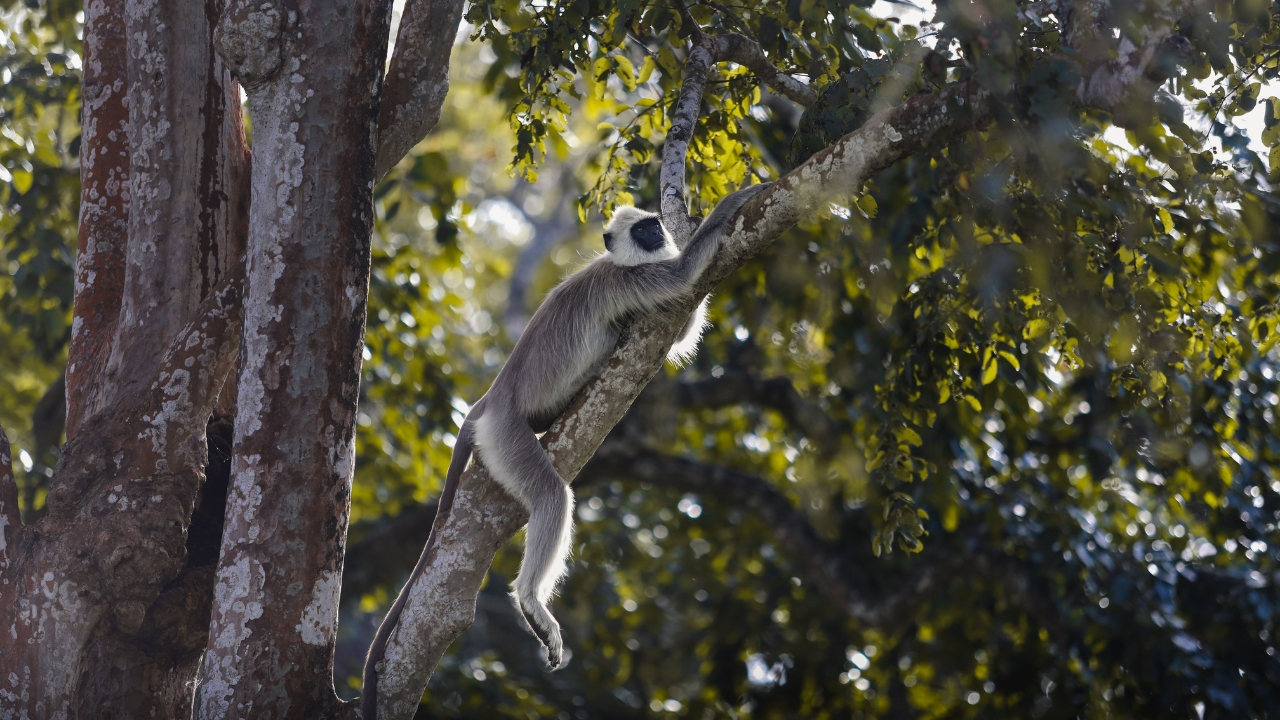
Discover rare wildlife, distinctive forest landscapes, scenic waterfalls and ancient heritage in one of Kerala’s most fascinating natural destinations.
Not every forest in Kerala is covered in thick greenery year-round. In the eastern part of Idukki, near the Tamil Nadu border, the landscape changes into dry woodland, thorny scrub forests and open grasslands. This is Chinnar Wildlife Sanctuary, a protected area in the Western Ghats known for its unusual ecosystem and remarkable biodiversity.
Located near Munnar and Marayoor, Chinnar offers a different kind of nature experience. It is home to the endangered Grizzled Giant Squirrel, diverse birdlife and several other wildlife species. Visitors can also explore forest trails to Thoovanam Waterfalls and discover the surrounding region’s cultural heritage.
Where Is Chinnar Wildlife Sanctuary?
Chinnar Wildlife Sanctuary is located in Idukki district, along the eastern side of the Western Ghats near the Kerala–Tamil Nadu border. Established in 1984, it covers approximately 90.44 square kilometres.
The sanctuary lies in the rain-shadow region of the Western Ghats, which receives considerably less rainfall than many other parts of Kerala. This geographical position has shaped its distinctive dry forest environment.
Chinnar is accessible through the Munnar–Marayoor–Udumalpet road. Its location also makes it possible to explore nearby destinations such as Marayoor and Kanthalloor as part of a wider trip through Idukki.
What Makes Chinnar's Forest Ecosystem Unique?
Chinnar’s landscape differs from the dense evergreen forests commonly associated with Kerala. Changes in elevation, rainfall and water availability support several types of natural habitats within the sanctuary.
These include:
- Tropical thorn scrub forests: Dry habitats with thorny vegetation adapted to limited rainfall.
- Dry deciduous forests: Woodlands where many trees shed their leaves during the dry season.
- Moist deciduous forests: Areas with denser vegetation where more moisture is available.
- Riverine forests: Green vegetation growing along rivers and streams.
- Grasslands: Open areas that support different plant and animal communities.
- Shola vegetation: Small patches of high-altitude evergreen forest.
The Pambar River and its surrounding vegetation provide important habitats for wildlife, adding to the ecological diversity of the sanctuary.
This variety of landscapes makes Chinnar an interesting destination for understanding the different forest ecosystems of the Western Ghats.
Wildlife of Chinnar: Rare Animals and Birdlife
Chinnar is particularly known for its rich wildlife, including several species that are important from a conservation perspective.
Grizzled Giant Squirrel
One of the sanctuary’s most notable animals is the Grizzled Giant Squirrel, an endangered tree-dwelling mammal. It has a distinctive grey-brown coat and a long, bushy tail.
The species is closely associated with riverine forest habitats, where trees provide food and shelter. Chinnar is an important location for its conservation and one of the notable places associated with this rare squirrel.
Other Mammals
Wildlife recorded in the sanctuary includes several mammals, such as:
- Asian Elephant
- Indian Leopard
- Bengal Tiger
- Gaur
- Sambar Deer
- Spotted Deer
- Hanuman Langur
- Bonnet Macaque
- Rusty-spotted Cat
These animals occupy different habitats within the sanctuary. However, spotting them in the wild is never guaranteed, as their movements depend on habitat conditions, food availability and other natural factors.
Reptiles and Birds
Chinnar also supports a variety of reptiles, including the Indian Star Tortoise and Mugger Crocodile.
Birdwatchers can explore habitats supporting more than 225 recorded bird species. Some notable birds include:
- Yellow-throated Bulbul
- White-bellied Blue Flycatcher
- Crested Serpent Eagle
- Grey Heron
- Little Egret
- Black Eagle
The range of habitats makes the sanctuary an interesting place for observing different bird species in their natural surroundings.
Thoovanam Waterfalls: A Trek Through the Forest
One of Chinnar’s most attractive natural features is Thoovanam Waterfalls, located within the sanctuary along the Pambar River.
The waterfall drops approximately 84 feet through a forested landscape. Reaching it involves a guided trek through the surrounding woodland, making the journey an important part of the experience.
The trek starts from the Alampetty Check Post and covers approximately four kilometres. The walk generally takes around three hours, depending on the pace of the group and trail conditions.
Along the route, visitors can experience Chinnar’s changing vegetation, forest sounds and natural surroundings. The final stretch brings the sound of flowing water into focus as the waterfall comes into view.
The trek is organised through the Forest Department’s ecotourism programme. Visitors should check the current schedule, availability and booking arrangements before planning their journey.
Trekking and Ecotourism Experiences
Beyond the Thoovanam Waterfalls trail, Chinnar has other nature-based experiences that allow visitors to explore its forest environment.
Vasyappara Trekking
Vasyappara is associated with trekking experiences that offer views of the surrounding forest and hills. Certain programmes have also included overnight experiences, subject to availability and forest regulations.
Jellimalai Watchtower
The Jellimalai Watchtower offers an elevated view of parts of the surrounding landscape. It provides another way to appreciate the sanctuary’s forest environment from above.
Treehouse and Forest Accommodation
Ecotourism facilities in the Chinnar region have included treehouses, log houses and other nature-based accommodation. These experiences allow visitors to spend more time in the forest surroundings.
The availability of accommodation, trekking routes and other activities can change. Confirm current arrangements with the relevant authorities before travelling.
Indigenous Communities and Conservation
The natural heritage of Chinnar is closely connected with the lives of indigenous communities in the region, particularly the Muthuvan and Hill Pulaya communities.
Community participation is an important part of the sanctuary’s ecotourism activities. Local people contribute to guided trekking, visitor services and other nature-based programmes through Eco-Development Committees. This creates livelihood opportunities while involving communities in conservation and responsible tourism.
One initiative associated with the region is Punarjeevanam, which focuses on reviving traditional millet varieties and agricultural practices. The initiative has helped bring attention to traditional crops and the agricultural knowledge passed down through generations.
These efforts highlight the connection between biodiversity conservation, local livelihoods and traditional ways of life.
Explore Marayoor's Ancient Dolmens and Heritage
The region around Chinnar has more to explore than forests and wildlife. Nearby Marayoor is known for its prehistoric stone structures, commonly called Muniyara.
These dolmen-like structures consist of large stone slabs arranged to form small chambers. They are associated with prehistoric burial practices and offer a glimpse into the ancient communities that once inhabited the region.
Marayoor is also recognised for its sandalwood forests and traditional jaggery production. Visitors exploring Chinnar can include these nearby attractions in a wider journey through eastern Idukki.
The combination of natural landscapes, archaeological remains and traditional livelihoods makes the region particularly interesting for travellers who enjoy exploring beyond conventional tourist attractions.
Things to Know Before Visiting
A little preparation can make your visit more comfortable and responsible.
- Confirm trekking schedules and ecotourism activities before travelling.
- Arrange guided activities in advance, especially the Thoovanam Waterfalls trek.
- Carry drinking water, comfortable walking shoes, sunscreen and insect repellent.
- Wear suitable clothing for walking through forest terrain.
- Never approach, feed or disturb wild animals.
- Stay with your guide and follow designated trails.
- Avoid leaving plastic or other waste inside the sanctuary.
- Follow instructions from forest officials regarding photography and visitor restrictions.
Entry charges, activity fees, timings and accommodation arrangements may change. Contact the relevant Forest Department authorities before your visit for the latest information.
Discover a Different Side of Kerala at Chinnar
Chinnar offers a different perspective on Kerala’s natural heritage. Its dry forests, rare wildlife and guided trekking experiences make it a worthwhile addition to a journey through Munnar and Idukki.
Exploring the nearby heritage of Marayoor adds another dimension to the experience, making this region especially appealing to travellers interested in nature, wildlife and local culture.


