Kerala’s food changes as you travel across the state. Thalassery biryani and pathiri define much of northern Malabar, while appam, stew, seafood and duck dishes are closely associated with central Kerala. Further south, Sadya, matta rice and traditional vegetarian dishes showcase the flavours of the former Travancore region.
But Kerala cuisine isn’t simply a list of famous dishes. It has been shaped by coastal trade, agriculture, religion, communities, spices and geography. From the food streets of Kozhikode to the backwaters of Kuttanad and the traditional kitchens of Thiruvananthapuram, every region offers something different.
If you’re travelling through Kerala, don’t just ask, “What is Kerala’s famous food?” Ask what people eat where you’re going. That’s where the real food journey begins.
Why Is Kerala Cuisine So Diverse?

Kerala’s cuisine reflects its geography and long history of cultural exchange. The Arabian Sea connected Kerala’s coastal communities with traders from Arabia and other parts of the world, while agriculture and the backwaters supplied rice, coconut, vegetables, spices and seafood.
Different communities also developed distinctive culinary traditions over generations.
This is why food can change noticeably as you travel from Kasaragod and Kannur to Kozhikode, Kochi, Kottayam, Alappuzha, Kollam and Thiruvananthapuram.
Common ingredients include coconut, rice, curry leaves, black pepper, ginger and other spices, but the way they are combined varies from region to region.
Malabar: Kerala's Spice-Rich Northern Kitchen

The Malabar region, particularly Kozhikode, Kannur, Thalassery, Malappuram and Kasaragod, is known for distinctive food traditions influenced by the region’s coastal history and Mappila culinary culture.
Thalassery Biryani
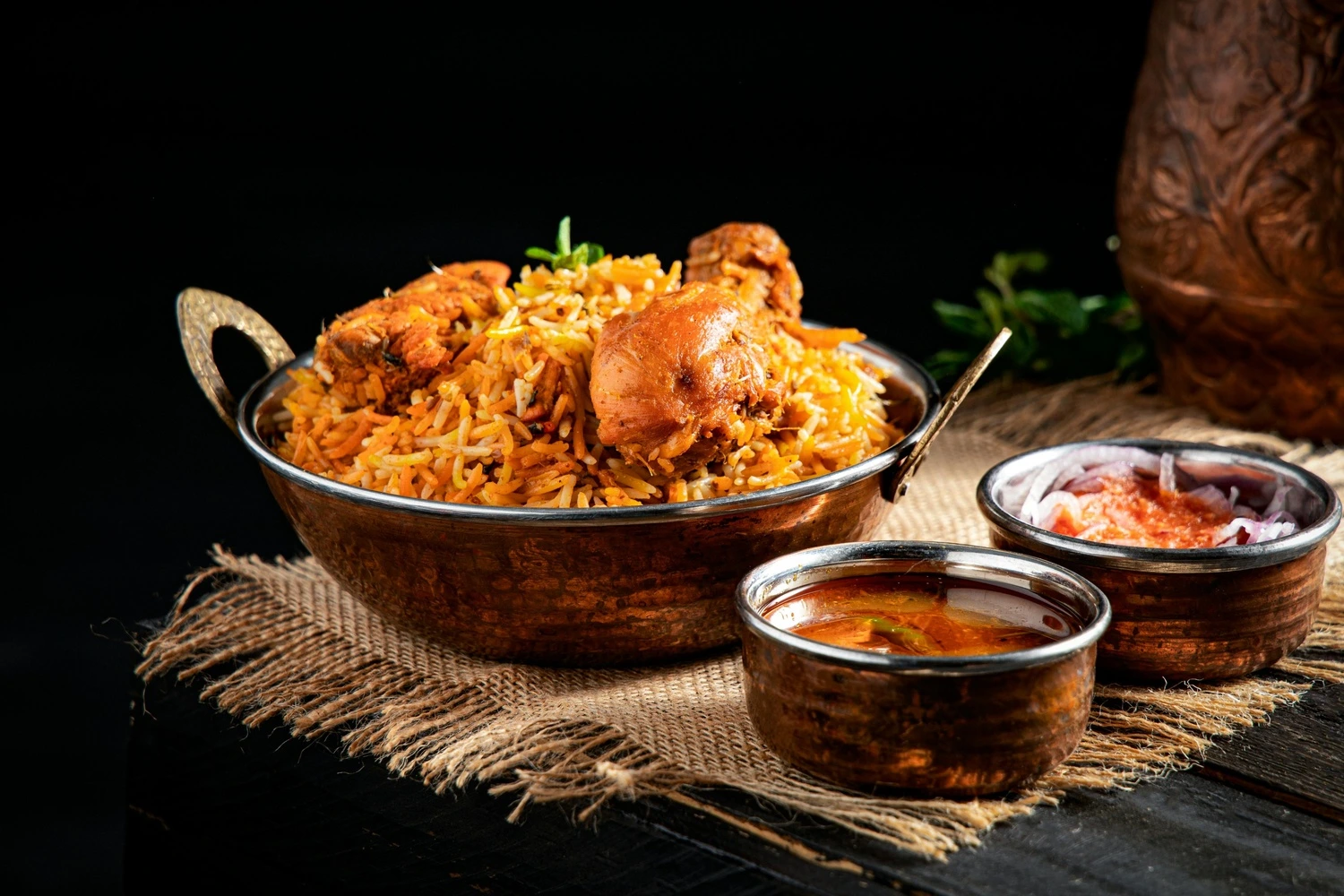
Thalassery biryani is one of the dishes most strongly associated with northern Kerala. A defining characteristic is the use of aromatic short-grain kaima or jeerakasala rice rather than the long-grain basmati commonly used in many other biryanis.
The rice is combined with meat, fried onions, spices and herbs to create a fragrant and distinctive biryani.
Where to explore: Thalassery, Kannur and Kozhikode.
Pathiri and Malabar Seafood
Pathiri, a thin rice-flour flatbread, is another important part of Malabar cuisine and is commonly served with meat, chicken or seafood curries.
The region’s coastal location also contributes to its seafood culture. Kallummakkaya, or mussels, and arikadukka, a stuffed mussel preparation, are among the dishes worth looking for.
Kozhikode Halwa
A food journey through Malabar should also include Kozhikode halwa. The colourful, soft and chewy sweet is closely associated with SM Street, popularly known as Mittai Theruvu, in Kozhikode.
Along with halwa, local bakeries and markets offer a variety of traditional Malabar snacks.
Central Kerala: Where Food Traditions Meet
As you travel south, Kerala’s culinary landscape changes again.
Thrissur, Ernakulam, Kottayam and Idukki offer a mixture of coastal, Christian, vegetarian and meat-based traditions.
Appam and Stew
Appam and stew is one of Kerala’s most recognisable food combinations. Appam has a soft centre and delicate crisp edges, while stew is generally prepared with coconut milk and vegetables, chicken or meat.
It is particularly associated with central and southern Kerala, although it is now enjoyed throughout the state.
Duck Mappas and Beef Ularthiyathu
Duck mappas is associated with the food traditions of central Kerala, particularly around Kottayam and nearby backwater regions. Duck is cooked with aromatic spices and coconut-based ingredients.
Beef ularthiyathu, commonly known as Kerala-style beef fry in many places, is prepared with beef, spices, onions, curry leaves and coconut pieces. It is often served with porotta, appam, kappa or rice.
Kochi: Kerala's Culinary Crossroads
Kochi deserves special attention because its food culture reflects its history as a major port.
Neighbourhoods such as Fort Kochi, Mattancherry and Jew Town reveal layers of cultural influence associated with Kerala’s maritime history.
A food exploration around Kochi can include traditional Kerala meals, seafood, Malabar-influenced biryani, Syrian Christian dishes and culinary influences connected with the city’s historic communities.
For food-focused travellers, Kochi is one of the best places to experience several sides of Kerala cuisine without travelling across the entire state.
Kuttanad: Where Food Meets the Backwaters

The food of Kuttanad is closely connected with its unusual landscape.
Known for extensive paddy fields, waterways and below-sea-level farming, Kuttanad has food traditions influenced by rice cultivation, fishing and duck rearing.
The region around Alappuzha, Kainakary, Nedumudy, Champakulam and Pulinkunnu offers opportunities to experience this relationship between food and the backwaters.
Kuttanadan Duck Curry
Kuttanadan-style duck curry is one of the dishes associated with the region. Duck is cooked with spices and coconut-based ingredients and is traditionally enjoyed with rice and other local staples.
Karimeen Pollichathu
Karimeen, or pearl spot, is one of Kerala’s best-known freshwater fish. In karimeen pollichathu, the fish is marinated with spices, wrapped in banana leaf and cooked.
It is widely associated with Kerala’s backwater cuisine, particularly around Alappuzha, Kottayam and Kumarakom.
Kappa and Meen Curry
Kappa, or tapioca, with spicy fish curry is another Kerala classic. The soft tapioca works particularly well with a spicy and tangy fish curry.
Freshwater clams, locally known as kakka, are another ingredient associated with the backwater region.
Travancore: Flavours of Southern Kerala

The former Travancore region, broadly covering areas around Alappuzha, Pathanamthitta, Kollam and Thiruvananthapuram, offers another culinary identity.
Southern Kerala is particularly known for traditional vegetarian meals, matta rice, seafood and the elaborate Sadya tradition.
Kerala Sadya
A traditional Sadya is one of Kerala’s most memorable food experiences. Served on a banana leaf, it brings together rice, vegetables, curries, pickles, side dishes and desserts.
Depending on the region and occasion, a Sadya may include avial, thoran, olan, kalan, pachadi, kichadi, sambar, parippu, papadam and payasam.
The exact combination varies between communities and occasions, while Onam is particularly famous for large Sadya celebrations.
Thiruvananthapuram and Kollam
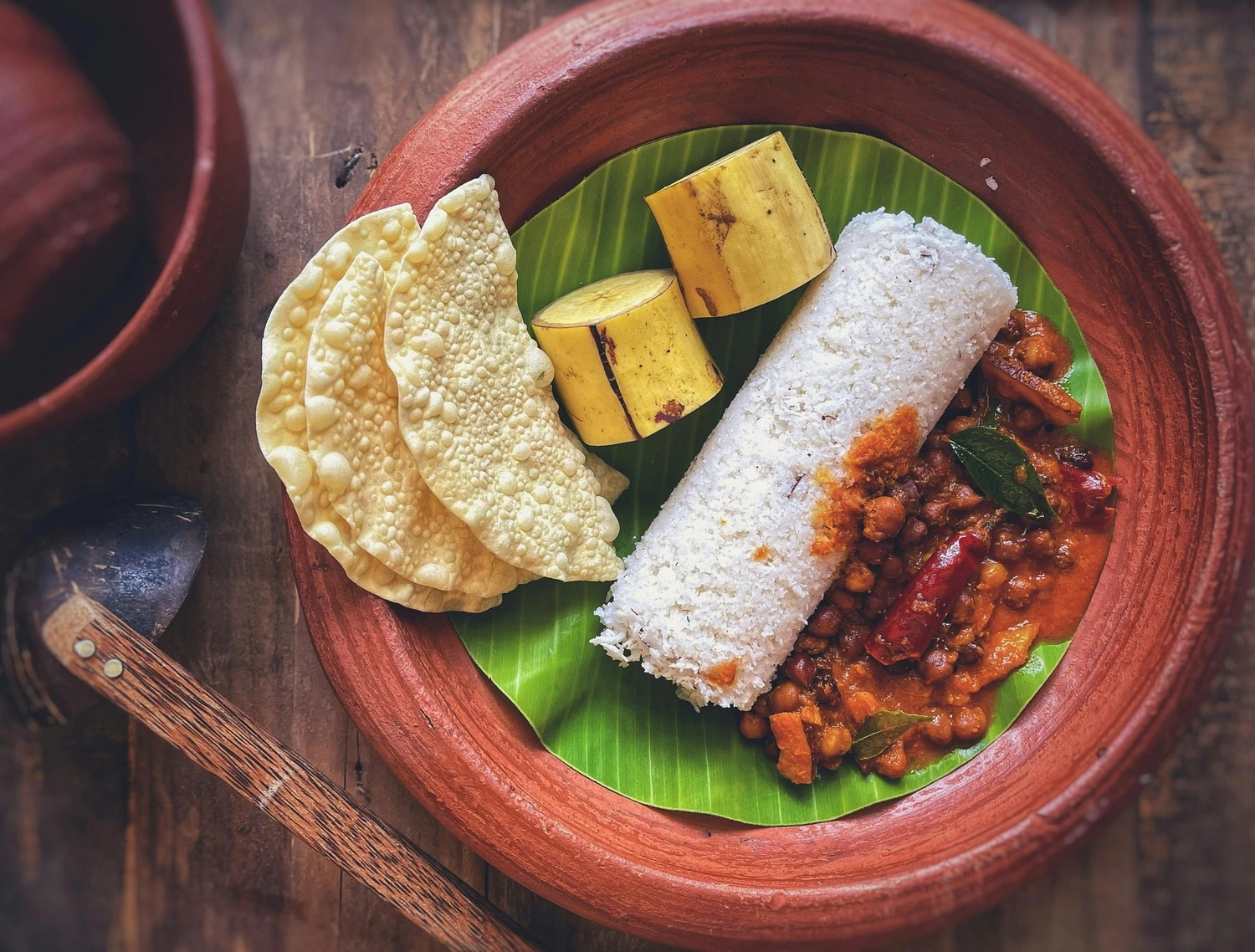
Thiruvananthapuram, the historic centre of Travancore, offers traditional dishes including puttu and kadala curry, appam, idiyappam, dosa, fish curry and Sadya.
Further north, Kollam combines coastal food traditions with its long association with the Ashtamudi backwaters and cashew industry.
Kerala Breakfasts and Snacks You Should Try
Kerala’s food journey begins early in the day.
Try puttu and kadala curry, appam, idiyappam, dosa or Malabar-style pathiri for breakfast.
For snacks, look for pazham pori, unniyappam, parippu vada, banana chips and achappam at local bakeries and tea shops.
And in Kozhikode, don’t leave without trying halwa.
Kerala Seafood: From the Coast to the Backwaters
With its Arabian Sea coastline, rivers and extensive backwaters, seafood naturally plays an important role in Kerala cuisine.
Depending on the region, travellers may encounter karimeen, sardines, mackerel, prawns, crab, squid, mussels and clams.
The preparation changes from place to place. Fish may be cooked with coconut, prepared with kudampuli, roasted with spices or wrapped in banana leaves.
Kozhikode, Kannur, Kochi, Alappuzha, Kollam and Thiruvananthapuram all offer opportunities to explore different seafood traditions.
What Does Kerala Food Taste Like?
Kerala food doesn’t have one single flavour profile.
Coconut appears as grated coconut, coconut milk and coconut oil. Black pepper and other spices add warmth, while tamarind and kudampuli provide sour notes in many dishes. Rice and rice-based foods form an important part of everyday meals.
Spice levels can vary significantly, so first-time visitors who prefer milder food should mention this when ordering.
Final Thoughts
Kerala’s food is best understood as a journey rather than a checklist.
In Malabar, Thalassery biryani, pathiri, seafood and Kozhikode halwa reveal the region’s distinctive culinary traditions. In Central Kerala, appam, stew, duck and seafood reflect different cultural influences. Around Kuttanad, rice, fish and duck connect food directly with the backwater landscape. Further south, Travancore’s Sadya, matta rice and traditional dishes offer another expression of Kerala’s culinary heritage.
So when you travel through Kerala, don’t let food become something you simply eat between sightseeing stops.
Let it guide your journey—from the biryani kitchens of Malabar to the backwaters of Kuttanad and the Sadya traditions of Travancore, every region has a different flavour and a different story to tell.