
Kerala is not just a land of scenic beauty and backwaters. It’s a region steeped in history, tradition, and vibrant culture. The history of Kerala is a captivating tale that stretches back thousands of years, filled with trade, colonization, cultural evolution, and religious harmony. If you’re planning a trip with Kerala Package Tours, understanding the region’s past will give you a deeper appreciation of the land you’re exploring.
Ancient Kerala: The Land of Spices
The history of Kerala begins in the mists of time, long before written records. Ancient texts and archaeological evidence suggest that Kerala was a thriving hub of trade as early as 3000 BCE. Its lush hills and fertile lands produced cardamom, pepper, cinnamon, and other spices that attracted traders from Egypt, Mesopotamia, China, and later the Roman Empire.
The port of Muziris (present-day Kodungallur) was a major trading center. Roman coins, amphorae, and records prove that Kerala had established connections with the Mediterranean world. The spice trade made Kerala wealthy and cosmopolitan, opening its doors to diverse cultures and ideas.
Arrival of Religions and Cultural Fusion
One of the most fascinating aspects of the history of Kerala is its religious harmony. Christianity, Islam, and Judaism arrived in Kerala through traders, long before they spread to other parts of India. St. Thomas the Apostle is believed to have landed in Kerala in 52 AD, and the Jewish community found a safe haven here after being exiled from Israel.
The Chera dynasty played a significant role during this period, with rulers promoting religious tolerance and supporting arts and education. Temples, churches, and mosques coexisted peacefully — a legacy that continues to this day.
Colonial Era: Portuguese, Dutch, and British Influence
The colonial chapter in the history of Kerala began with the arrival of Vasco da Gama in Calicut (Kozhikode) in 1498. The Portuguese were soon followed by the Dutch and then the British. Each of these European powers left their mark on Kerala’s architecture, cuisine, and culture.
The colonial period also saw fierce resistance from local rulers like the Zamorins of Calicut and the legendary warrior queen, Velu Nachiyar. Despite the challenges, Kerala’s identity remained intact, absorbing foreign elements while preserving its unique traditions.
Modern Kerala: Reforms and Renaissance
The 19th and 20th centuries were transformative in the history of Kerala. Social reformers like Sree Narayana Guru, Chattampi Swamikal, and Ayyankali led powerful movements against caste discrimination and promoted education and equality.
Kerala became known for its progressive values, high literacy rate, and public health initiatives. In 1956, the modern state of Kerala was formed by merging the Malayalam-speaking regions, setting the stage for a new era of development.
Kerala Today: Tradition Meets Modernity
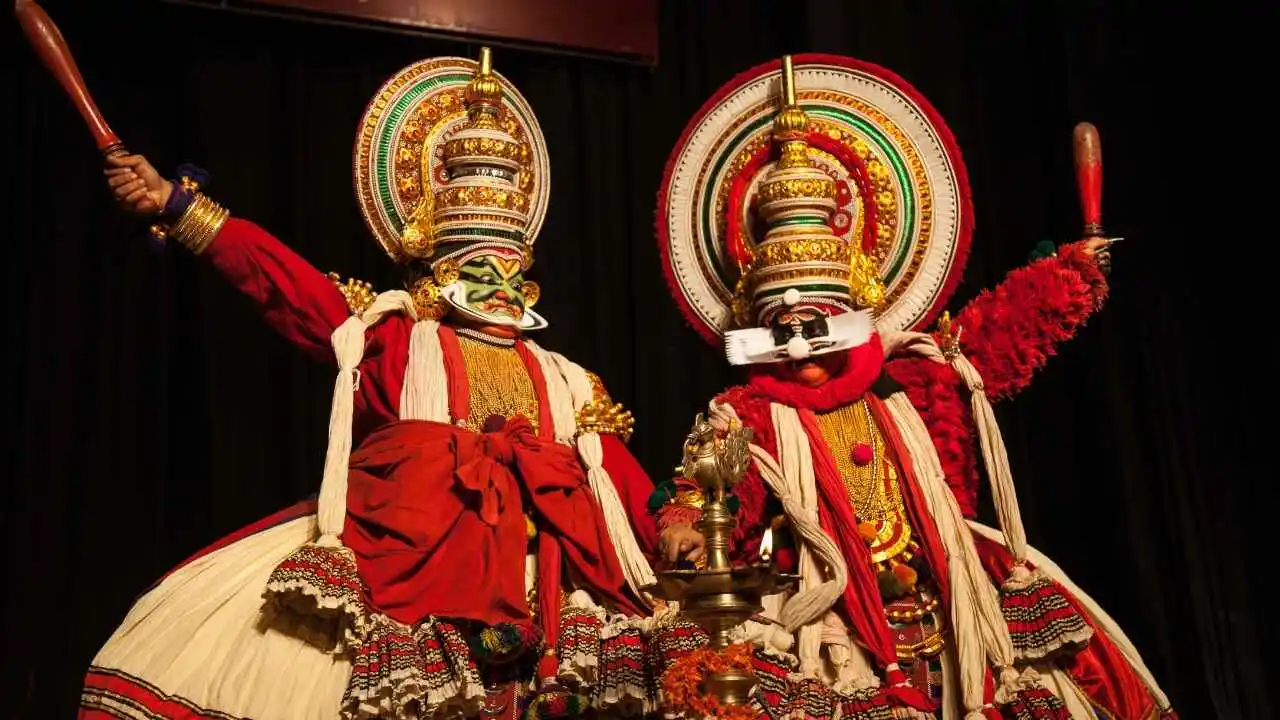
Today, Kerala is a model of sustainable tourism, education, and healthcare. From ancient temples and colonial forts to houseboats in the backwaters, every part of the state tells a story. The history of Kerala lives on in its festivals, art forms like Kathakali and Theyyam, and the warm hospitality of its people.
When you book with Kerala Package Tours, you’re not just signing up for a holiday — you’re stepping into a land where history comes alive in every sunset, every smile, and every spice-scented breeze.
Plan Your Journey Through Kerala’s Timeless Heritage
Whether you’re wandering through the ruins of an ancient port, exploring majestic palaces, or enjoying a traditional Sadya meal on a banana leaf, the history of Kerala surrounds you. Let Kerala Package Tours be your guide on this unforgettable journey through time.
Ready to explore Kerala?
Let’s turn the pages of history together — one destination at a time.


